The free money party is over. For the last five years, pitching a “Quantum” startup to a Venture Capitalist was like printing money. It didn’t matter if you had a product. It didn’t matter if your roadmap violated the laws of physics. If you said “Qubit,” you got a check.
Now, the hangover is setting in. Stock prices for public quantum companies like IonQ and Rigetti have seen massive volatility. The timeline for a commercially useful machine—one that can actually do something your MacBook can’t—keeps slipping from 2025 to 2030, and now to 2035.
The Trough of Disillusionment
We are entering what Gartner calls the “Trough of Disillusionment.” It happens to every hype cycle (remember 3D printing?). The early excitement fades as engineering reality hits. And the reality of quantum computing is brutal.
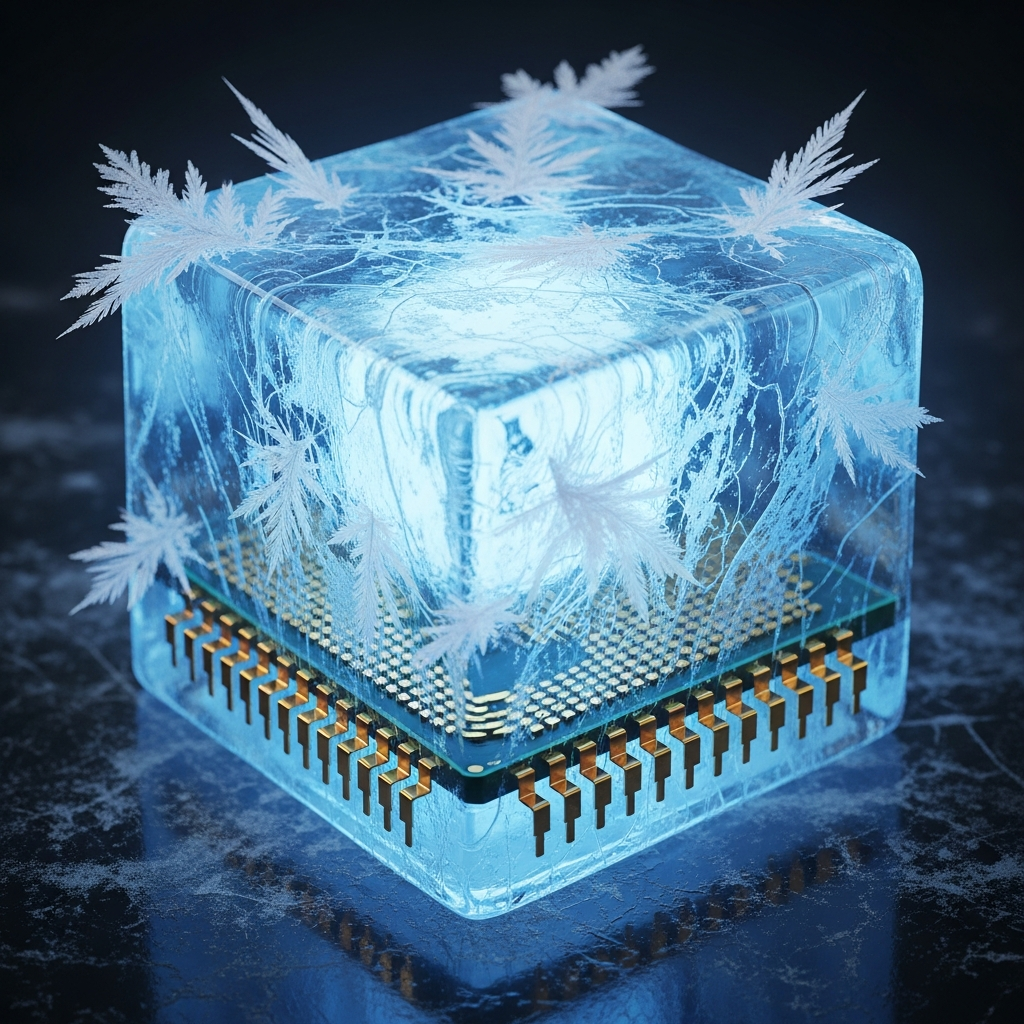
Keeping a qubit stable requires an environment colder than deep space, shielded from the magnetic field of the Earth, and isolated from a single stray photon. Building one is a triumph of physics. Building a million of them, wired together, is an engineering nightmare that we haven’t solved yet.
Survival of the Fittest
This “Winter” isn’t the end; it’s a filter. The companies with weak IP and flashy PowerPoints will die. The capital is consolidating around the serious players who are solving the hard problems—error correction and logical qubits.
We saw the same thing happen to AI in the 1980s. The funding dried up for decades. But the people who kept working in the dark eventually gave us ChatGPT. The Quantum Winter is coming, but for those who can survive the cold, the spring will be revolutionary.
Leave a Reply