Open any tech news site, and you will see headlines like “IBM Unveils 1,000 Qubit Chip.” It sounds impressive. It implies we are 1,000 times closer to breaking encryption. The reality is much messier.
Physical vs. Logical Qubits
Quantum states are incredibly delicate. A stray photon, a vibration from a passing truck, or a fluctuation in temperature can cause a qubit to lose its memory (decoherence). This is called “noise.”
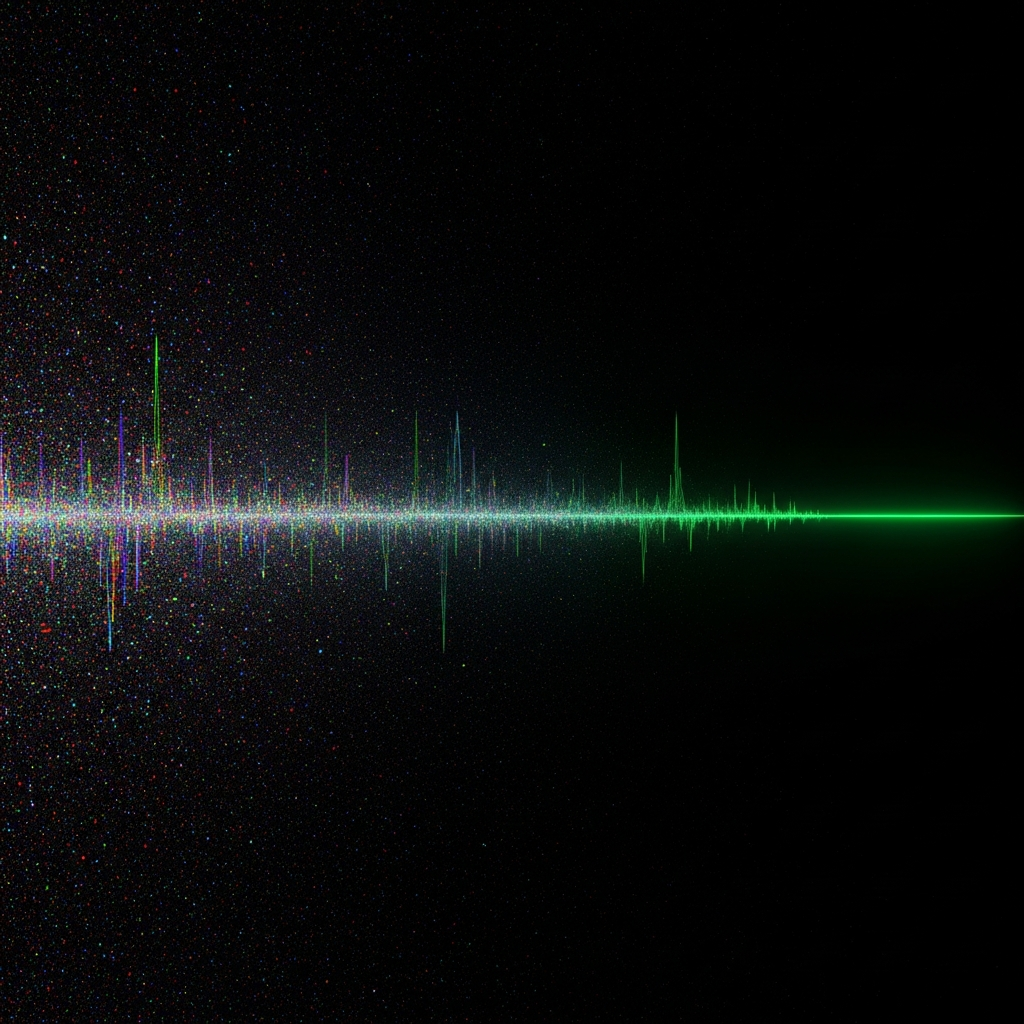
To do useful work, we need Logical Qubits—qubits that never make a mistake. To create ONE logical qubit, we might need to gang together 1,000 noisy physical qubits using Quantum Error Correction code. The majority of the computers power is spent just checking itself for errors.
The Real Metric
So when a company says they have a 1,000-qubit processor, ask them: “Are those physical or logical?” Today, we have zero logical qubits. The race isnt just to build more qubits; its to build better ones.
Sources: IEEE Spectrum, Surface Code Research.
Leave a Reply